Your Reliable Partner
Current measurement errors affect smart grid operation. Inaccurate readings cause load imbalance, delayed fault detection, and energy loss, especially in grids with renewable integration and bidirectional power flow. Engineers need reliable, real-time current data, yet many systems still face sensor inconsistency and signal noise.
Unreliable current sensors degrade grid stability. Poor data impacts voltage regulation, power quality, and predictive maintenance accuracy. This blog explains why current sensors are critical in smart grids and how they support system stability, efficiency, and long-term reliability.
Shunt resistors and basic Hall-effect sensors are often inadequate for smart grids. Their readings drift with temperature, magnetic interference, and time, reducing measurement accuracy.
This limits real-time visibility of energy flow. Without reliable current data, controllers miss early fault indicators and cannot stabilise power fluctuations, forcing reactive grid management and making performance targets harder to meet.
In smart grid development, unreliable current sensors introduce silent inefficiencies that compound over time.
Reliable current sensors keep smart grids stable and efficient, enabling real-time control, safe energy distribution, and sustainable network growth.
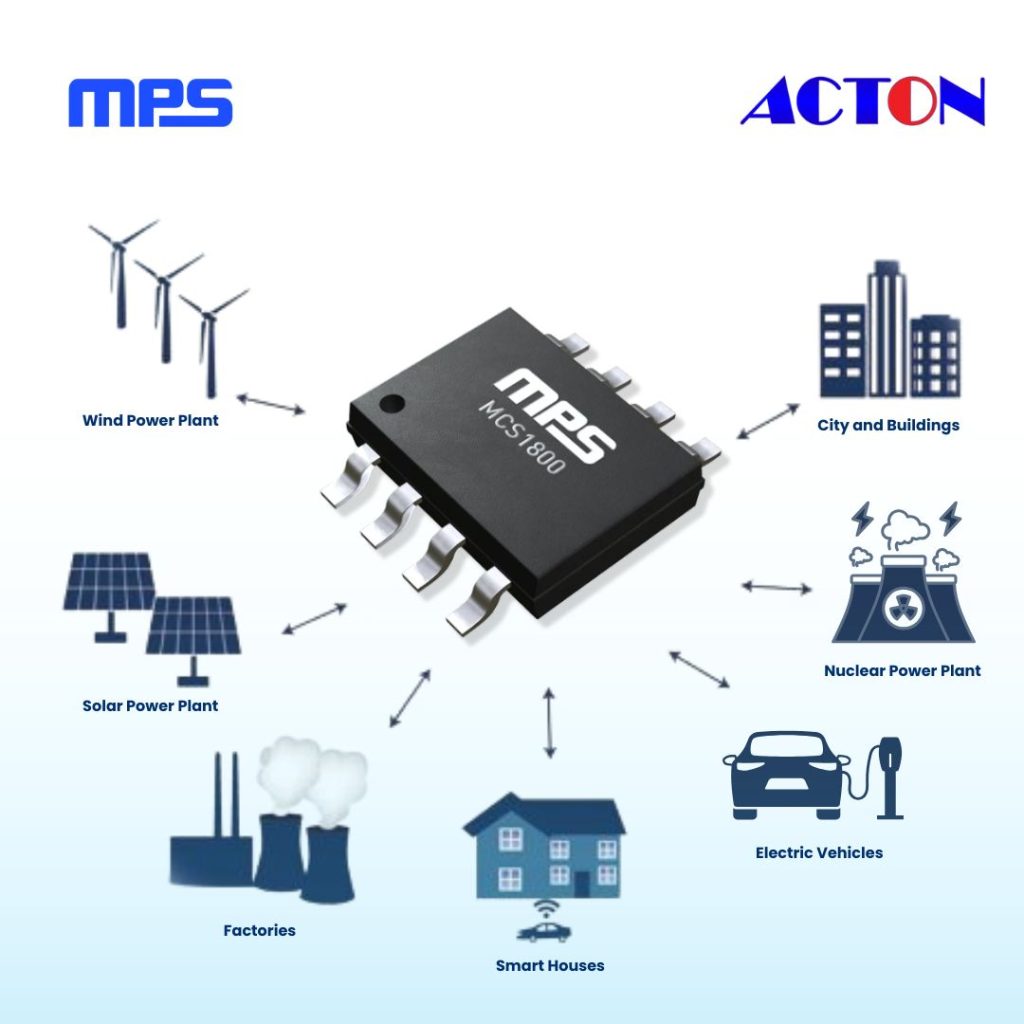
This is where current sensors redefine grid performance. Unlike basic current measurement tools, modern current sensors combine magnetic sensing, isolation, and signal conditioning into compact devices that deliver stable, accurate data in real time.
In a smart grid system, they enable engineers to:
By providing precise feedback, current sensors allow engineers to manage both steady-state and transient conditions with confidence. They make it possible to integrate renewables, balance distributed loads, and maintain reliability even in complex, interconnected grids.
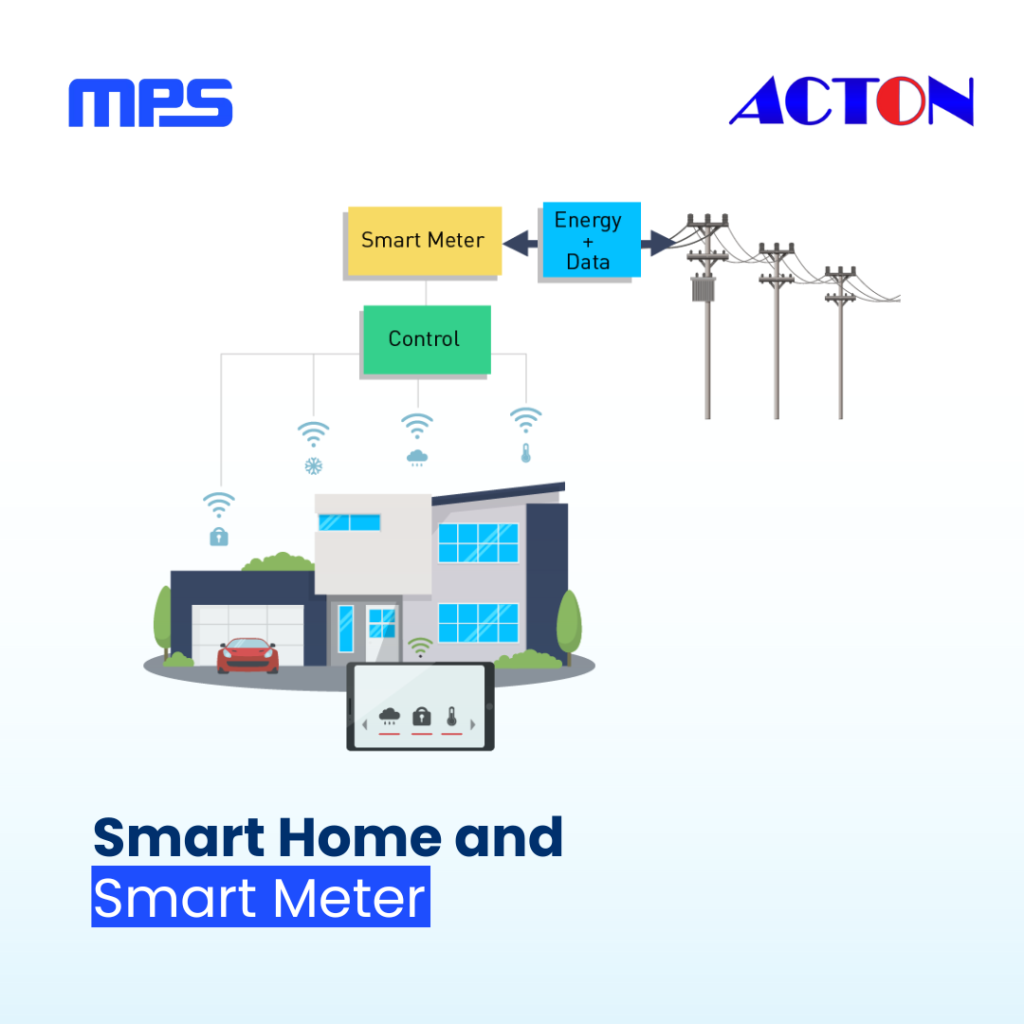
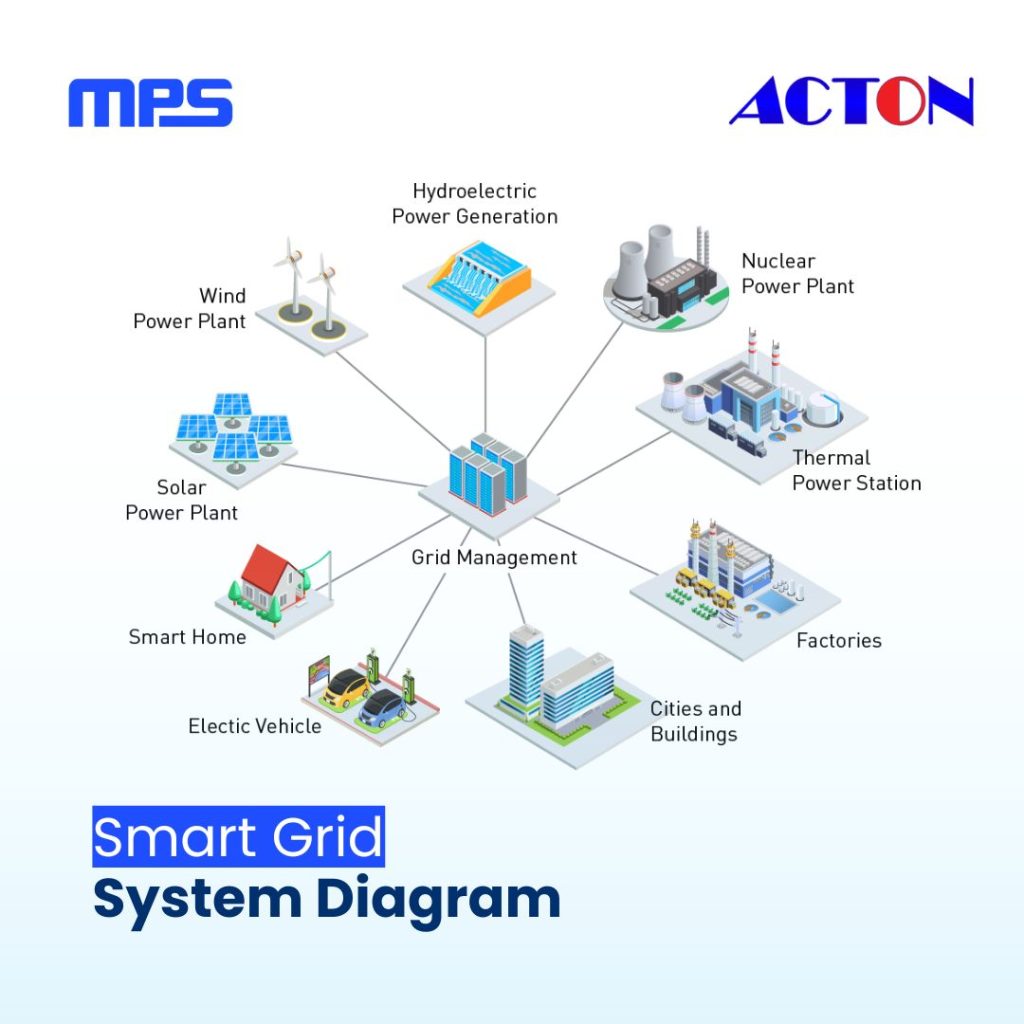
In smart grids, current sensors do more than measure—they enable real-time intelligence. By converting current data into digital signals, they give grid controllers the information needed to adapt dynamically to load changes. This helps maintain voltage stability, optimise generation, and improve grid resilience.
For distributed energy systems, current sensors make bidirectional power flow possible. They synchronise inverters, coordinate energy storage, and enable demand response, allowing the grid to respond to both consumption patterns and generation variability. This responsiveness transforms a static grid into an intelligent, adaptive system.
When developing a smart grid system, selecting the right current sensor directly influences system safety, efficiency, and scalability. Engineers typically evaluate several key factors:
Smart grids operate under wide temperature and magnetic ranges. Sensors must deliver consistent performance without drift or offset errors.
Fast-acting sensors enable immediate fault detection and protection, reducing downtime and preventing damage.
Built-in electrical isolation safeguards control electronics and meets safety requirements in high-voltage applications.
Compact sensor designs simplify layout in dense converter modules or smart metering systems.
Low-power sensors contribute to overall grid efficiency, especially when used in renewable and energy storage systems.
Making the right design choice early saves time in validation, simplifies certification, and ensures long-term system reliability.
Current sensors support engineers across multiple applications:
Sensors improve maximum power point tracking (MPPT), ensuring solar and wind sources deliver optimal energy output.
Accurate current data manages charge and discharge cycles to protect battery health.
Fast response enables circuit isolation and fault containment within milliseconds.
Real-time current monitoring supports data-driven load management and energy optimisation.
For each of these applications, stable current sensing ensures smooth operation and supports the larger goal of sustainable, intelligent energy management.
Acton Technology is the authorized distributor of Monolithic Power Systems (MPS) in Southeast Asia, with offices in Singapore, the Philippines, Thailand, and Vietnam. We supply reliable current sensors, current transformers, and power management solutions for smart grid, renewable energy, and industrial applications.
We help engineers and sourcing teams design stable, efficient, and safe power systems. Acton provides dependable components, responsive local support, and technical expertise to keep projects on schedule and performing reliably.
For sourcing or technical support, contact us at contact@acton-tech.com.

We Provide Solutions.
Discover our Power Management Solutions